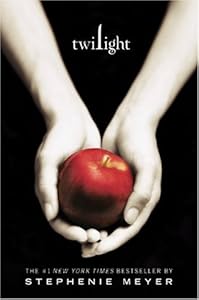
 Cover of Twilight (Twilight, Book 1)
The article describes a conference in early September, where neuroscientists, authors and educators discussed the role of literature in shaping the fluid adolescent mind. They dance around the edges of suggesting that author's have a moral obligation to write things for teens that are ultimately hopeful.
I write things that are "ultimately hopeful", because that is the way I see the world. The article posits that books like Twilight are more on the depressing side.
"If you look very, very clearly at what kind of values the 'Twilight' books propagate, these are very conservative values that do not in any way endorse independent thinking or personal development or a woman's position as an independent creature," Nikolajeva (Maria Nikolajeva, a Cambridge University professor of literature) said. "That's quite depressing."
Another popular teen book series, the "Hunger Games" trilogy by Suzanne Collins, straddles the line between dark and hopeful, Nikolajeva said. Its themes – a dystopian future where teens must battle to the death on reality TV – appeal to teenagers' dark side, yet its ultimately hopeful message is probably having a good influence on young people, she said.
I just finished Mockingjay, and agree. Even though the trilogy's themes are traumatic, it is ultimately about the resiliency of the human spirit.
On the other hand . . . tweens, teens and others are having FUN reading Twilight! Parents have a much stronger influence over their teens than they think. If you are worried about it, read it together and have a discussion. Make up your own mind about whether Bella is a good role model or not. Use it as an opportunity to learn more about each other, how you think and feel.
There is a lot about life that can "suck" - especially for a teenager. As an author, I promise to strive not to present a nice tidy package with a saccharine ending, but instead find the beauty and universal truths in each character, even as they are riddled with flaws. (As we all are!)

